Cutting-Edge Applications of 5 Axis Laser Cutting in HVAC
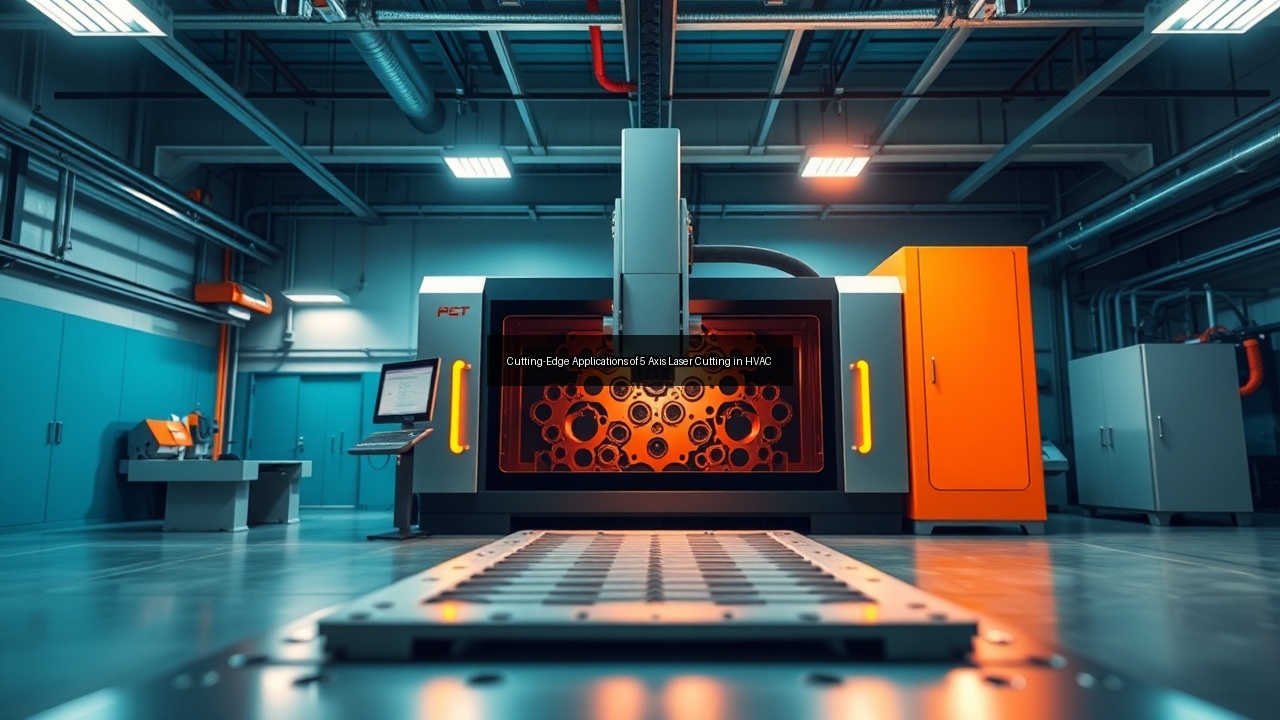
Understanding 5 Axis Laser Cutting Technology
Overview of Laser Cutting Technology
Laser cutting technology has transformed the landscape of manufacturing and fabrication, offering unparalleled precision and efficiency. This process utilizes focused lasers to cut through various materials, including metals, plastics, and composites. The laser beam vaporizes the material, resulting in a clean and precise cut. The versatility of laser cutting makes it a favored choice across multiple industries, including aerospace, automotive, and HVAC. The ability to produce intricate designs and shapes with minimal material waste enhances its appeal. As industries seek more efficient manufacturing solutions, the integration of advanced laser technology continues to rise, driving innovation and improving productivity.
Benefits of 5 Axis Laser Cutting Over Traditional Methods
5 axis laser cutting offers distinct advantages compared to traditional 2D or 3D cutting methods. The additional axes allow for cutting at complex angles and shapes, enabling the creation of intricate designs that were previously challenging or impossible to achieve. This capability significantly reduces the need for secondary operations, leading to lower production costs and faster turnaround times. Furthermore, 5 axis laser cutting increases material utilization, minimizing waste and promoting sustainability. The precision of this technology ensures that components fit together seamlessly, enhancing the overall quality of HVAC systems. Manufacturers benefit from improved design flexibility and the ability to respond quickly to market demands.
Key Components of a 5 Axis Laser Cutter
A 5 axis laser cutter comprises several key components that contribute to its functionality and precision. The laser source generates a high-powered beam, while the motion system, which includes multiple axes of movement, allows for intricate maneuvering of the laser head. The CNC (computer numerical control) system plays a vital role, translating digital designs into precise movements. Additionally, advanced optics focus the laser beam to achieve the desired cutting depth and quality. The integration of CAM (computer-aided manufacturing) software optimizes the cutting process, ensuring efficient path planning and reduced cycle times. Together, these components create a robust system capable of handling complex HVAC fabrication tasks with ease.
Applications of 5 Axis Laser Cutting in HVAC Systems
Precision Fabrication of HVAC Components
5 axis laser cutting excels in the precision fabrication of HVAC components, allowing manufacturers to produce intricate parts that meet stringent industry standards. Components such as ductwork, brackets, and flanges can be laser-cut with high accuracy, ensuring they fit perfectly within the overall HVAC system. The ability to create complex geometries reduces the need for additional assembly processes, streamlining production. Moreover, the clean cuts produced by laser technology minimize the need for secondary finishing, further enhancing efficiency. Manufacturers can deliver high-quality HVAC components that not only perform effectively but also meet aesthetic demands in modern building designs.
Streamlining Metal Fabrication Processes
Integrating 5 axis laser cutting into metal fabrication processes revolutionizes efficiency and productivity. Traditional metal fabrication often involves multiple steps, including cutting, bending, and assembling. The precision of 5 axis laser cutting allows for simultaneous operations, reducing production time and costs. By streamlining these processes, manufacturers can respond swiftly to customer demands while maintaining high quality. The automation of the laser cutting process also reduces labor costs and the potential for five axis laser cutting human error. As a result, companies can achieve more consistent outputs and maintain competitive pricing in the HVAC market, making it a preferred choice for metal fabrication.
Enhancing Customization in HVAC Designs
Customization plays a crucial role in HVAC design, allowing systems to meet specific building requirements and client preferences. 5 axis laser cutting facilitates this customization by enabling manufacturers to create unique components tailored to individual projects. The technology allows for rapid prototyping and modifications, providing engineers with the flexibility to iterate designs quickly. As a result, HVAC professionals can offer bespoke solutions that enhance efficiency and performance. The precision and repeatability of 5 axis laser cutting ensure that even the most complex designs can be produced reliably, giving manufacturers a competitive edge in an increasingly personalized marketplace.
Integrating 5 Axis Laser Cutting with Other Technologies
The Role of CNC Machining in HVAC Production
CNC machining complements 5 axis laser cutting in HVAC production, creating a powerful synergy that enhances overall manufacturing capabilities. While laser cutting excels in creating intricate shapes and designs, CNC machining provides the necessary precision for more complex assemblies. Manufacturers can use CNC machines to shape, drill, and finish components produced by laser cutting. This integration allows for a seamless transition between processes, improving efficiency and reducing lead times. Moreover, the combination of these technologies fosters innovation, enabling HVAC manufacturers to develop advanced solutions that meet the evolving needs of the market.
Using CAM Software for Optimized Laser Cutting
CAM software plays a pivotal role in optimizing the laser cutting process. By converting CAD designs into precise cutting instructions, CAM software ensures that each component is manufactured with accuracy and efficiency. The software helps plan the cutting path, minimizing material waste and reducing cycle times. Users can simulate the cutting process to identify potential issues before actual production, saving time and resources. Integrating advanced CAM software with 5 axis laser cutting machines allows HVAC manufacturers to maximize productivity while maintaining high-quality standards. As technology continues to evolve, the capabilities of CAM software will expand, further enhancing the laser cutting process.
Combining Laser Cutting with Stamping Techniques
Combining laser cutting with stamping techniques offers HVAC manufacturers a unique approach to metal fabrication. While laser cutting provides precision cuts, stamping allows for the mass production of components through a different technique. Integrating these methods can lead to significant efficiency gains, allowing manufacturers to produce high volumes of parts with minimal waste. For instance, laser cutting can be employed to create complex designs, while stamping can be used for simpler, high-volume components. This hybrid approach enables manufacturers to optimize their production processes and respond effectively to varying market demands, ultimately leading to improved profitability and customer satisfaction.
Future Trends and Innovations in Laser Cutting for HVAC
Emerging Technologies in Laser Cutting Equipment
Future advancements in laser cutting equipment will likely five axis laser cutting redefine the capabilities and applications of this technology in the HVAC sector. Innovations such as fiber lasers and higher-powered CO2 lasers promise to enhance cutting speeds and efficiency. Additionally, the development of more sophisticated motion systems and automation solutions will further streamline the laser cutting process. These advancements will enable manufacturers to tackle increasingly complex designs and materials, positioning them to meet the evolving demands of the HVAC industry. As technologies continue to advance, staying abreast of these trends will be crucial for manufacturers aiming to maintain a competitive edge in the market.
Sustainability and Efficiency in Metal Fabrication
As industries worldwide prioritize sustainability, the metal fabrication sector, including HVAC manufacturing, must adapt to these expectations. 5 axis laser cutting technology supports sustainable practices by reducing material waste and energy consumption. The precision of laser cutting minimizes off-cuts and scrap, while the efficiency of the process lowers overall energy usage. Additionally, manufacturers can explore eco-friendly materials and incorporate sustainable practices throughout the production cycle. Embracing these sustainable approaches enhances the reputation of HVAC companies and aligns with the growing consumer demand for environmentally responsible products.
The Evolving Landscape of Laser Cutting Services
The landscape of laser cutting services continues to evolve, driven by technological advancements and changing market demands. As more businesses recognize the benefits of 5 axis laser cutting, the competition among service providers intensifies. Companies offering specialized laser cutting services will stand out by delivering high-quality, customized solutions tailored to the HVAC industry. Embracing digital transformation, such as online platforms for quoting and order management, will streamline customer interactions and improve service delivery. The future of laser cutting services will focus on enhancing customer experiences, providing innovative solutions, and maintaining high standards of quality and efficiency.