Understanding the Science Behind Steel Mill Lubrication Technologies
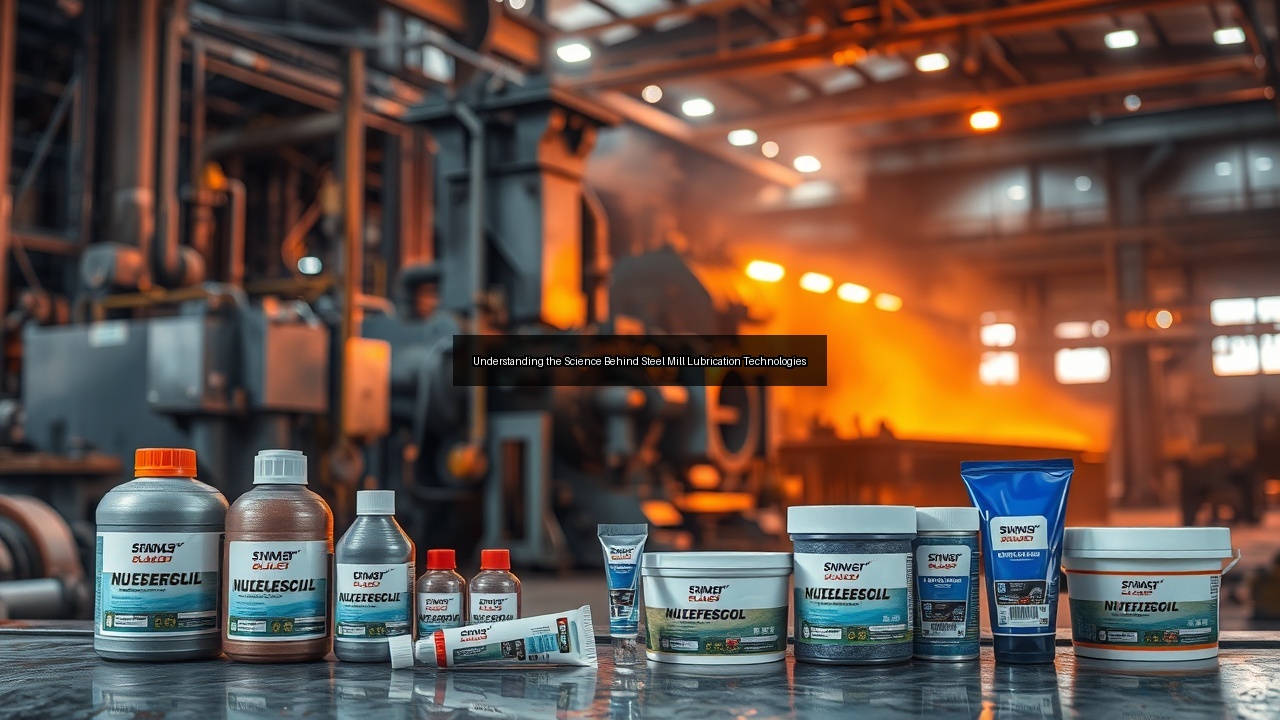
The Role of Lubricants in Steel Production
Importance of Lubrication in Steel Mills
Lubricants play a vital role in steel production, ensuring the smooth operation of machinery and enhancing the overall efficiency of steel mills. The steel industry relies heavily on various lubrication technologies to minimize friction and wear between moving parts. Effective lubrication reduces the chances of equipment breakdowns, which can lead to significant downtime and costly repairs. In steel plants, the presence of high temperatures and heavy loads necessitates a reliable lubrication system that can withstand extreme conditions. Proper lubrication not only extends the lifespan of equipment but also ensures consistent product quality, which is crucial in maintaining competitive advantage in the steel market.
Types of Steel Mill Lubricants
Steel mill lubricants come in various forms, each suited for specific applications within the steel production process. The primary types include oils, greases, and metalworking fluids. Oils are often used in high-speed applications, where their fluid nature allows them to penetrate tight spaces and provide effective cooling. On the other hand, lubricating grease is ideal for applications requiring a thicker consistency, such as bearings and gears, where it can adhere to surfaces and provide long-lasting protection. Metalworking fluids, a category that includes cutting oils and emulsions, are specifically formulated for processes like tube bending and machining. Each type of lubricant offers unique properties that cater to different aspects of steel manufacturing, demonstrating the importance of selecting the right lubricant for optimal industrial lubricant performance.
Impact of Lubrication on Steel Production Processes
Effective lubrication significantly impacts steel production processes by enhancing equipment performance and product quality. In rolling mills, for instance, proper lubrication reduces friction between rollers and steel, allowing for smoother operations and better surface bearing lubrication finishes. In continuous casting, lubricants help maintain the temperature balance, preventing overheating and ensuring the integrity of the steel being produced. Furthermore, lubrication prevents the formation of scale and rust, which can compromise the quality of the steel. By minimizing wear and tear on machinery, effective lubrication also contributes to increased productivity and reduced maintenance costs, making it a critical component in the steel industry's operational strategy.
Technologies in Steel Mill Lubrication
Innovative Lubrication Technologies
The steel industry continually embraces innovative lubrication technologies to improve efficiency and performance. Recent advancements include the development of synthetic lubricants that offer superior thermal stability and lubricating properties. These synthetic oils provide enhanced protection against oxidation and thermal degradation, making them ideal for high-temperature environments commonly found in steel mills. Additionally, intelligent lubrication systems utilizing sensors and IoT technology monitor equipment performance in real-time, allowing for precise lubricant application tailored to specific operational needs. This data-driven approach not only optimizes lubricant usage but also enhances overall equipment reliability, leading to improved productivity and lower operational costs.
Metalworking Fluids in Steel Manufacturing
Metalworking fluids are essential in steel manufacturing, providing lubrication and cooling during various machining processes. These fluids, which can be oil-based or water-soluble, play a critical role in ensuring that tools operate effectively while extending their lifespan. In operations such as cutting, grinding, and drilling, metalworking fluids reduce friction, dissipate heat, and remove metal shavings from the cutting zone. This combination of cooling and lubrication results in superior surface finishes and precise tolerances. The choice between water-based and oil-based metalworking fluids can significantly impact production efficiency, with water-based options often preferred for their ease of use and environmental considerations, while oil-based fluids provide better lubrication under extreme pressure.
Water-Based vs. Oil-Based Lubricants
Choosing between water-based and oil-based lubricants is a critical decision in steel mill lubrication. Water-based lubricants, such as emulsions, are favored for their environmental benefits and safety, as they pose less risk of fire and are easier to clean up. They also offer excellent cooling properties due to their high heat capacity. However, oil-based lubricants provide superior protection against wear and can function effectively in high-temperature applications. Their ability to form a protective film on metal surfaces makes them ideal for critical components in rolling mills and continuous casting. Ultimately, the selection depends on specific operational requirements, including temperature ranges, environmental considerations, and cost-effectiveness.
Optimizing Productivity with Effective Lubrication
Reducing Wear and Tear in Rolling Mills
Rolling mills experience extreme conditions, including high pressures and temperatures, making effective lubrication crucial in reducing wear and tear on equipment. The right lubricants form a protective layer on the surfaces of rollers, thereby minimizing direct metal-to-metal contact. This reduction in friction not only prolongs the life of the equipment but also ensures smoother operations, leading to greater consistency in product quality. By employing advanced lubrication technologies, steel mills can achieve lower operational costs associated with maintenance and equipment replacement. Regular assessment of lubrication effectiveness also plays a vital role in optimizing rolling mill performance and ensuring that production targets are met efficiently.
Cost Efficiency of Proper Lubrication
Investing in proper lubrication systems translates to significant cost efficiency for steel plants. Effective lubrication reduces the frequency of machinery breakdowns, which directly correlates to reduced maintenance costs and downtime. Additionally, the right lubricants enhance the lifespan of critical components, such as bearings and gears, leading to lower replacement costs. High-quality lubricants may come at a higher initial investment, but their long-term benefits, including improved operational efficiency and reduced energy consumption, justify the expense. Steel mills that prioritize lubrication management can expect not only to see a return on investment but also to enhance their competitive edge in the steel industry.
Enhancing Performance in Continuous Casting and Hot Rolling
In processes like continuous casting and hot rolling, effective lubrication enhances performance significantly. In continuous casting, lubricants help manage the temperature of molten steel, ensuring a uniform solidification process and preventing defects. Proper lubrication reduces friction between the steel and the mold, leading to smoother casting operations. Similarly, in hot rolling, lubricants facilitate the movement of steel through rollers, minimizing surface defects and improving the overall quality of the final product. By prioritizing lubrication in these critical processes, steel mills can achieve higher throughput and ensure that the steel produced meets stringent quality standards required by customers.
Future Trends in Steel Mill Lubrication
Sustainability and Eco-Friendly Lubricants
The steel industry increasingly focuses on sustainability, driving the demand for eco-friendly lubricants. Biodegradable and renewable lubricants are gaining popularity as they minimize environmental impact without sacrificing performance. These lubricants are formulated from natural resources and offer similar protective properties as traditional options, making them suitable for various applications in steel mills. The shift towards sustainable lubrication aligns with global efforts to reduce carbon footprints and promote environmentally responsible manufacturing practices. As steel plants adopt these eco-friendly lubricants, they not only contribute to environmental preservation but also appeal to a growing market of environmentally conscious consumers.
Advancements in Lubricant Formulations
Advancements in lubricant formulations continue to evolve, driven by the need for higher performance in challenging steel production environments. Researchers are developing lubricants that offer improved thermal stability, oxidation resistance, and enhanced film strength. Innovations in nanotechnology have led to the creation of lubricants with nanoparticles that reduce friction and wear even further. These new formulations provide greater protection against high temperatures and pressures, essential for modern steel manufacturing processes. Additionally, the integration of additives that promote cleanliness and reduce foaming ensures that lubricants perform optimally, contributing to overall operational efficiency in steel mills.
The Role of Automation in Lubrication Management
Automation is revolutionizing lubrication management in steel mills, enhancing precision and efficiency. Automated lubrication systems monitor equipment conditions in real-time, allowing for precise lubricant application tailored to operational needs. These systems minimize human error and ensure that machinery receives the right amount of lubricant at the right time, preventing both under-lubrication and over-lubrication. As the steel industry embraces Industry 4.0, integrating automated lubrication solutions aligns with broader trends toward smart manufacturing. This shift not only boosts productivity but also ensures optimal equipment performance, reducing maintenance costs and improving the overall reliability of steel production processes.
See Also
- Unlocking the Secrets of Steel Mill Lubricants for Enhanced Productivity
- Greasing the Wheels of Steel Production with Effective Lubricants
- Enhancing Steel Mill Safety with Proper Lubrication Practices
- Key Factors to Consider When Selecting Steel Mill Lubricants
- Maximizing Efficiency in Steel Plants with Advanced Lubrication Solutions