Innovative Applications of Hub Flanges in Automotive Design
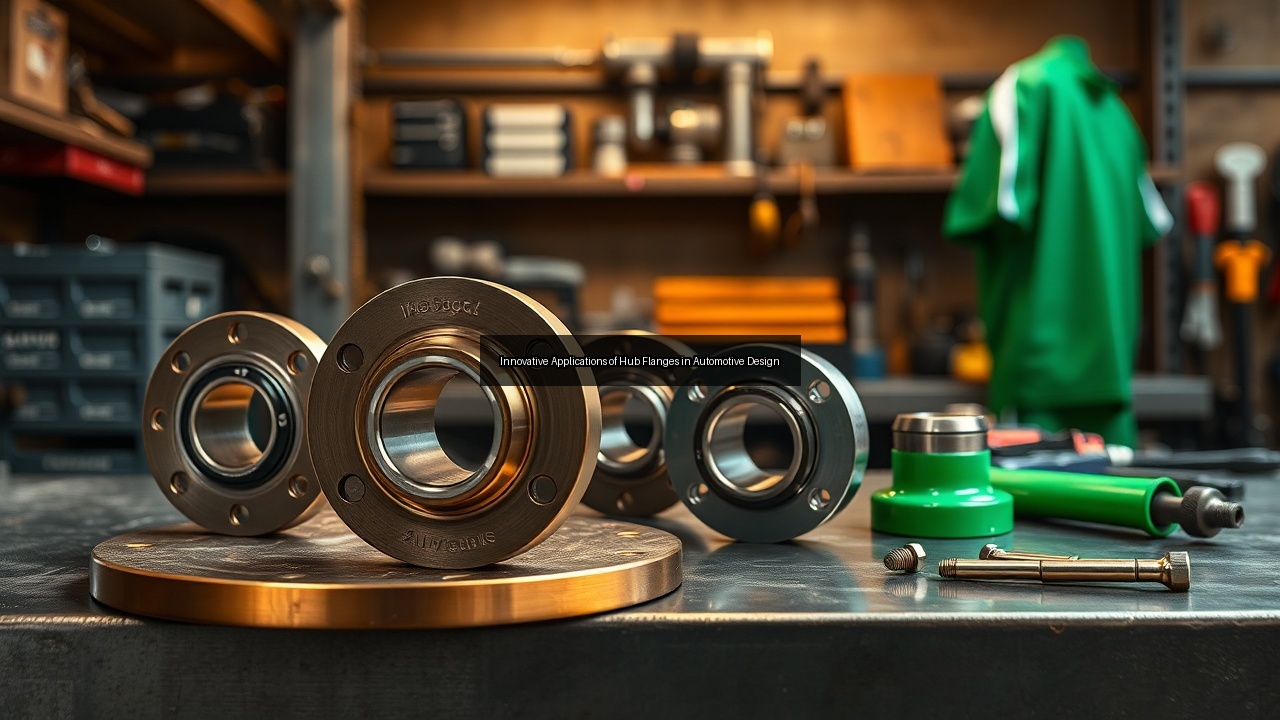
Understanding Hub Flanges and Their Importance in Automotive Design
Definition and Functionality of Hub Flanges
Hub flange components connect the wheel assembly directly to the axle in vehicles, transmitting torque while maintaining precise alignment under load. Engineers rely on the hub flange to secure brake rotors, wheels, and drive elements without slippage. Flanges in this role feature mounting holes that accept bolts or set screws, creating a rigid interface that resists vibration. A typical flange hub includes a central bore fitted with a bushing or bearing race to reduce friction during rotation. This setup supports radial and axial forces encountered on highways or off-road terrain. Manufacturers machine these parts from high-strength steel or aluminum alloys to balance durability with weight savings. Proper installation ensures that the flange distributes stress evenly across the wheel, preventing premature wear on adjacent components like the axle shaft.
Types of Hub Flanges Used in Automotive Applications
Automotive engineers select from several hub flange configurations based on vehicle requirements. Fixed flanges bolt permanently to the knuckle, offering simplicity in passenger cars. Floating designs allow slight movement to accommodate thermal expansion in high-performance models. Flanged hubs with integrated studs simplify wheel changes during pit stops. Some variants incorporate multiple mounting patterns to fit aftermarket wheels. In heavy-duty trucks, larger diameter flanges handle greater torque loads from diesel engines. Compact flange ball bearing units combine the flange and bearing into one assembly, reducing parts count and assembly time. Each type undergoes finite element analysis to confirm it meets safety standards for fatigue resistance. Stock replacements often match OEM specifications, while custom units adapt to modified suspensions.
The Role of Bearings in Hub Flange Performance
Ball bearings inside the hub flange enable smooth wheel rotation while supporting vehicle weight. A flange ball bearing assembly preloads the races to eliminate play, improving steering response. Double-row angular contact bearings handle combined radial and thrust loads common during cornering. Proper lubrication extends bearing life and prevents overheating at highway speeds. Technicians press these bearings into the flange hub using hydraulic tools to achieve exact interference fits. When bearings fail, drivers notice noise or vibration that signals the need for replacement. Advanced seals protect the bearing from water and debris, maintaining performance across seasons. Integration of the bearing with the flange reduces overall unsprung weight, benefiting handling dynamics in both sedans and sports cars.
Innovative Design Applications of Hub Flanges
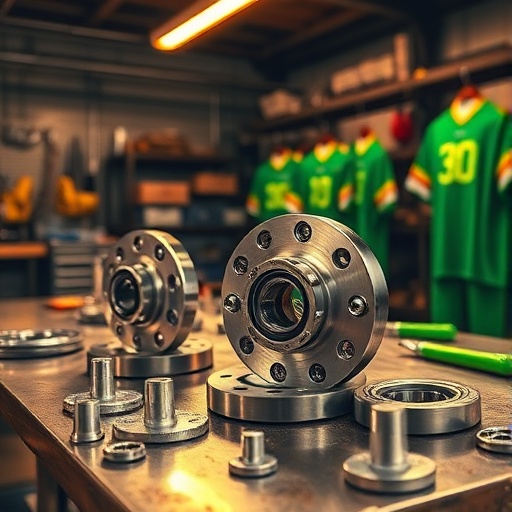
Integration of Flange Ball Bearings in High-Performance Vehicles
High-performance vehicles demand flange ball bearing units that withstand extreme lateral forces during track sessions. Designers position these bearings closer to the wheel centerline to minimize moment arms and reduce bending stress on the flange. Ceramic ball options lower rotational mass and friction compared with steel alternatives. Engineers specify angular contact angles that optimize load distribution under braking and acceleration. Racing teams often rebuild these assemblies between events to maintain peak precision. The compact flange ball bearing package also simplifies suspension geometry by allowing tighter packaging around brake calipers. Vehicle dynamics improve when the bearing preload remains consistent, delivering predictable tire contact patches. Manufacturers validate these designs through dyno testing that simulates thousands of miles of aggressive driving.
The Use of Flanged Hubs in Enhanced Wheel Stability
Flanged hubs increase wheel stability by providing a broader mounting surface that resists flex during hard maneuvers. The extended flange diameter spreads clamping force from wheel bolts, reducing the chance of rotor warping under repeated heat cycles. Automotive tuners add set screws to lock the flange against the axle for zero-slip applications in drag racing. This configuration transmits power more efficiently to the tire contact patch. Off-road vehicles benefit when flanged hubs keep wheels aligned over rough terrain, preserving suspension travel. Engineers often pair the hubs with reinforced knuckles to create a stiffer corner module. Stability gains translate directly to improved braking distances and sharper turn-in response on winding roads.
Case Study: Tom Pidcock's Bicycle Design and Hub Flange Innovations
Tom Pidcock's bicycle designs demonstrate hub flange principles that transfer readily to automotive applications. His custom flange hubs use lightweight aluminum to cut rotational weight while preserving strength for competitive demands. Integration of sealed ball bearings protects against mud and water encountered in cross-country events. Set screws secure the flange to the axle, eliminating play that could waste pedaling energy. These innovations mirror automotive efforts to reduce unsprung mass for quicker handling. Pidcock's team tested multiple flange diameters to optimize spoke tension and wheel stiffness. The resulting hubs deliver reliable performance across varied terrain, offering lessons for passenger car wheel assemblies seeking similar durability. Automotive engineers study such bicycle solutions when developing next-generation lightweight flange hubs for electric vehicles.
Material Innovations and Manufacturing Techniques
Advancements in Materials for Durable Hub Flanges
Material scientists develop advanced alloys and composites that extend hub flange service life under demanding conditions. High-nickel steels resist corrosion in coastal environments where road salt accelerates wear. Carbon fiber reinforced flanges appear in prototype vehicles, slashing weight without sacrificing torsional rigidity. Heat treatment processes create surface hardness that protects mounting faces from galling during wheel changes. Powder metallurgy techniques produce near-net-shape flanges that require minimal machining, lowering production costs. These materials maintain dimensional stability across wide temperature ranges encountered from arctic cold to desert heat. Suppliers validate each batch through tensile and impact testing before releasing parts for assembly lines.
3D Printing and Its Impact on Custom Flange Production
3D printing enables rapid production of custom flange hubs for low-volume or prototype vehicles. Additive manufacturing builds complex internal geometries that traditional machining cannot achieve, such as integrated cooling channels around the bearing race. Engineers print test flanges from titanium or aluminum powders to evaluate fit before committing to forging dies. This approach shortens development cycles from months to weeks. Printed parts often incorporate lattice structures that reduce mass while preserving strength. Automotive aftermarket suppliers now offer 3D-printed flange adapters that allow older vehicles to accept modern wheel offsets. Quality control includes CT scanning to detect internal voids that could compromise safety.
Impact on Performance and Efficiency
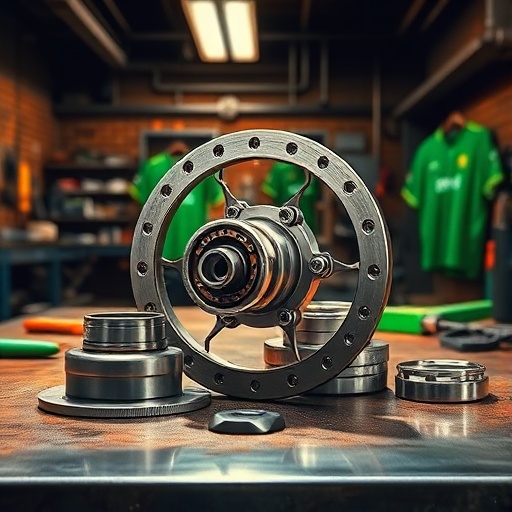
How Hub Flanges Affect Aerodynamics in Automotive Design
Hub flange shape influences airflow around the wheel well, affecting overall vehicle drag. Smooth, contoured flanges reduce turbulence that otherwise increases fuel consumption at highway speeds. Designers integrate brake cooling ducts into the flange profile to manage heat without adding external scoops. Computational fluid dynamics simulations guide flange edge radii that direct air smoothly past suspension components. Low-drag flange hubs contribute measurable efficiency gains in electric vehicles where every watt-hour matters for range. Wind tunnel testing confirms that optimized flanges lower the coefficient of drag by several points compared with traditional flat designs.
Influence on Weight Reduction and Fuel Efficiency
Lightweight hub flanges directly improve fuel efficiency by lowering unsprung mass and rotational inertia. Each kilogram removed from the wheel assembly reduces the energy required to accelerate and climb grades. Manufacturers replace steel flanges with forged aluminum versions that cut weight by up to 40 percent while meeting strength targets. Reduced mass also extends brake pad and tire life because the suspension works less to control wheel movement. Fleet operators track these savings through telematics data showing lower average fuel burn across mixed driving cycles. The cumulative effect across thousands of vehicles adds up to meaningful emissions reductions over the product lifecycle.
Future Trends and Developments in Hub Flanges
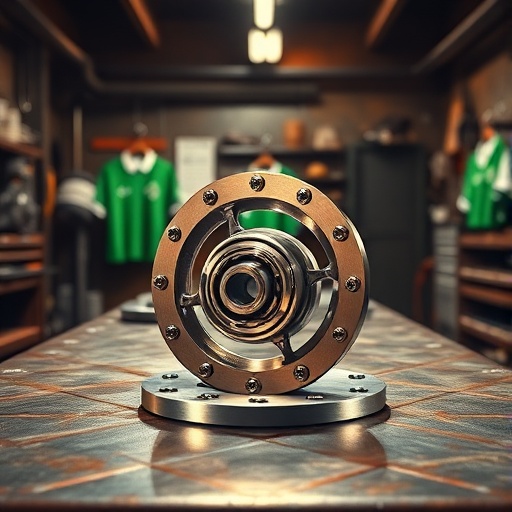
Emerging Technologies in Hub Flange Design
Sensor-integrated hub flanges now monitor bearing temperature and vibration in real time, feeding data to vehicle control systems. Wireless telemetry alerts drivers or fleet managers before failures occur. Smart flanges with embedded strain gauges help autonomous vehicles adjust suspension settings dynamically. Researchers explore self-lubricating coatings that eliminate traditional grease intervals. Modular flange designs allow quick swaps between street and track configurations without full hub replacement. These advances position the hub flange as an active component rather than a passive connector in next-generation vehicles.
The Role of Hub Flanges in Competitive Sports: Tour de France Femmes and Beyond
Hub flanges play a decisive role in events like the Tour de France Femmes, where wheel reliability determines stage outcomes. Riders depend on lightweight flanged hubs fitted with high-precision ball bearings to maintain speed on climbs and descents. Teams from Bordeaux to Aurillac and Pau optimize flange designs for the green jersey competition, seeking every marginal gain in efficiency. Set screws and bushings secure critical interfaces against the repeated impacts of cobblestone sections. Innovations tested in these races often migrate to automotive wheels, improving stability for everyday drivers. The same engineering principles that help cyclists conserve energy on mountain stages guide automotive efforts to enhance handling and reduce weight in production cars.